
The Practice of Seeing
What do you see?
What are you assuming?
From first impression to deeper understanding.
Photography and storytelling as a practice of slowing down our conclusions, paying attention, getting closer, reconsidering what we think we know, and responding with more understanding.
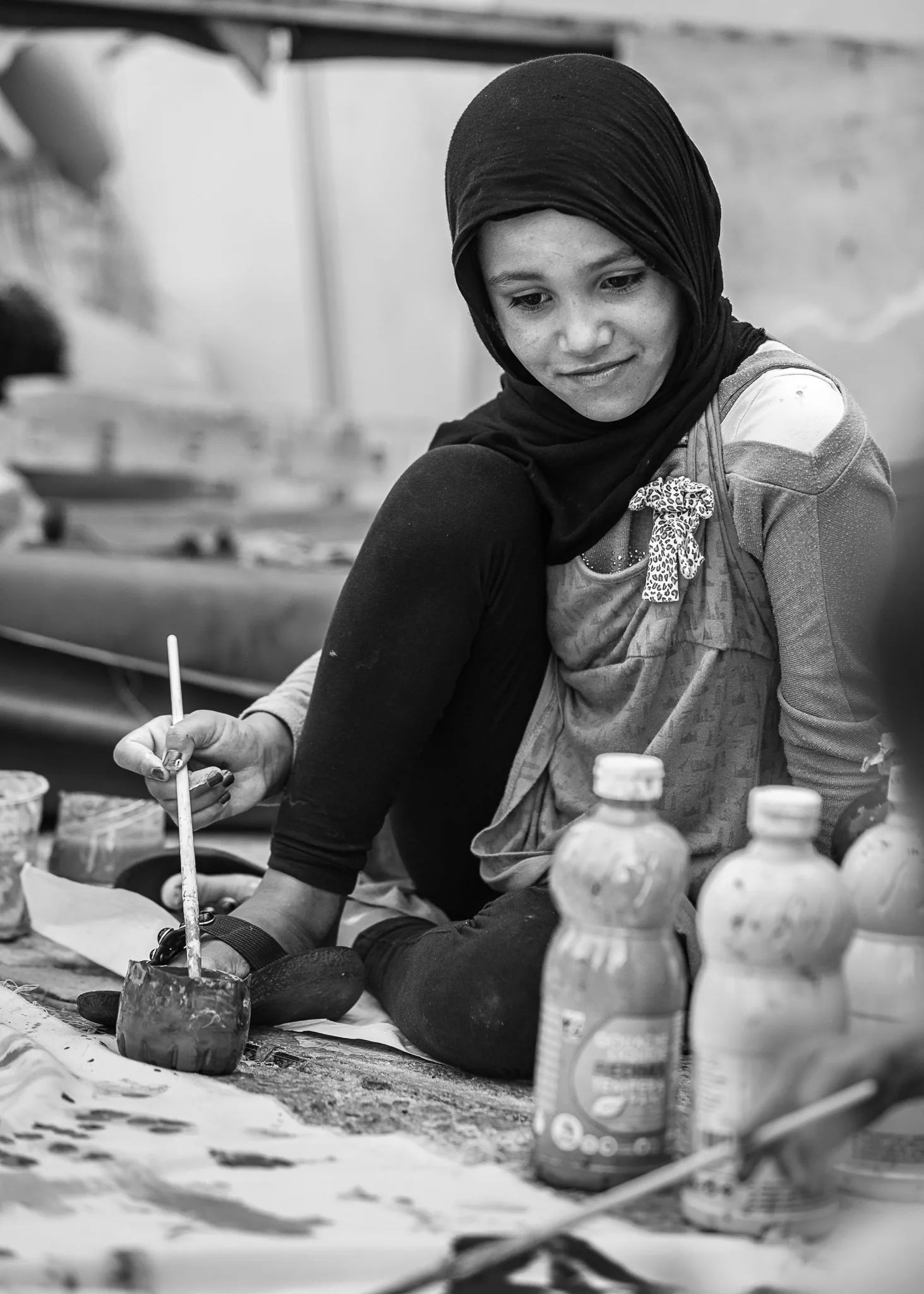
A practice, not a formula
Slow down your conclusions.
The Practice of Seeing creates space between what we notice, what we interpret, and what we conclude. It is a practice of Attention, Encounter, Reflection and Responsibility — and of looking again.
Two stories. One practice.
The projects are the doors.
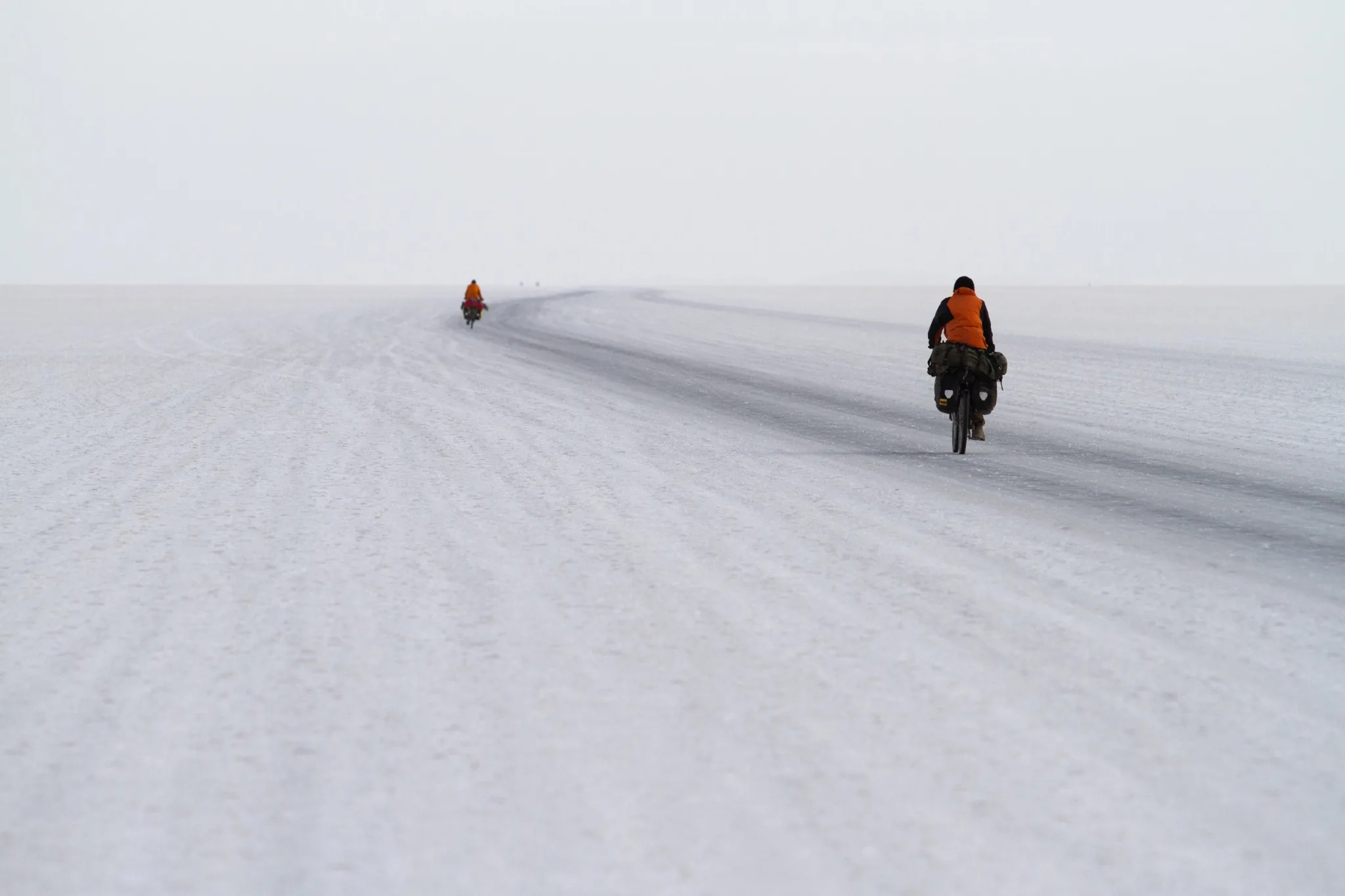
The Gaze from the Bicycle
Alaska → Tierra del Fuego
5 years · 14 countries · 20,000 miles / 32,000 km
For five years, I traveled by bicycle from Alaska to Tierra del Fuego. The bicycle gave me the freedom to move independently and the time to get closer — to meet people, listen, and try to understand societies in constant transformation. The bicycle was not the subject of the journey. It was the way I moved through it.
Explore TGB →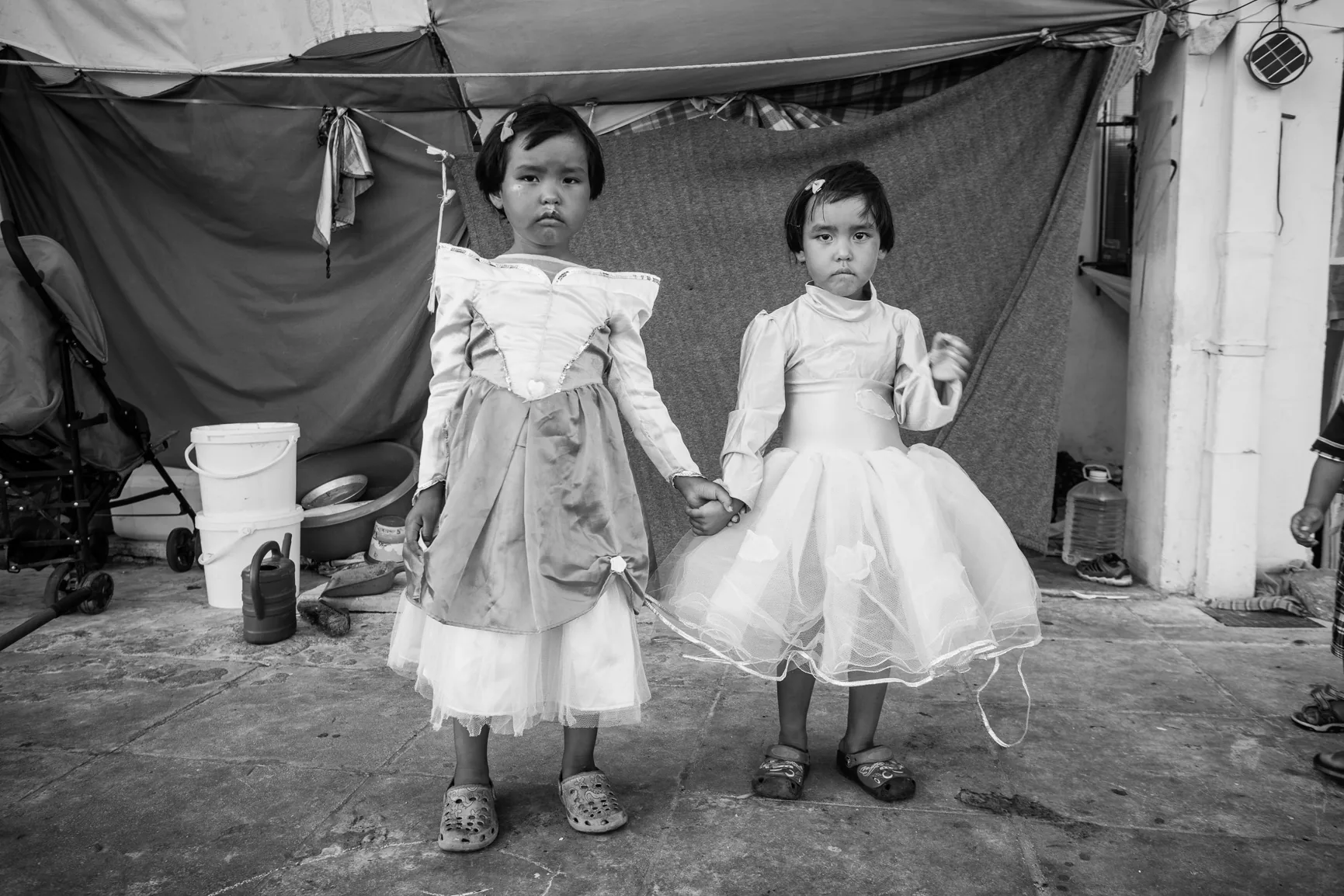
Who is She?
What happens when we think we already know?
Photographs are paired with questions and fragments of context. As information changes, so does what we think we see. The experience asks audiences to notice the distance between looking and knowing — and the assumptions that fill that gap.
“The photograph hasn't changed. You have.”
View Who is She? →How the stories can be experienced
Same practice. Different contexts.
Both projects can be shaped for different audiences without changing the practice itself. The examples, questions and depth of conversation adapt to the room.
PRESENTATIONS
Photography, firsthand storytelling and questions from the audience. The project becomes a shared conversation rather than a sequence of images.
EXHIBITIONS
Photographs in physical space, accompanied by questions and context that invite visitors to reconsider what they first thought they were seeing.
Schools · Universities · Organizations · Cultural institutions · Public spaces
From photographs to conversation
The audience is part of the work.
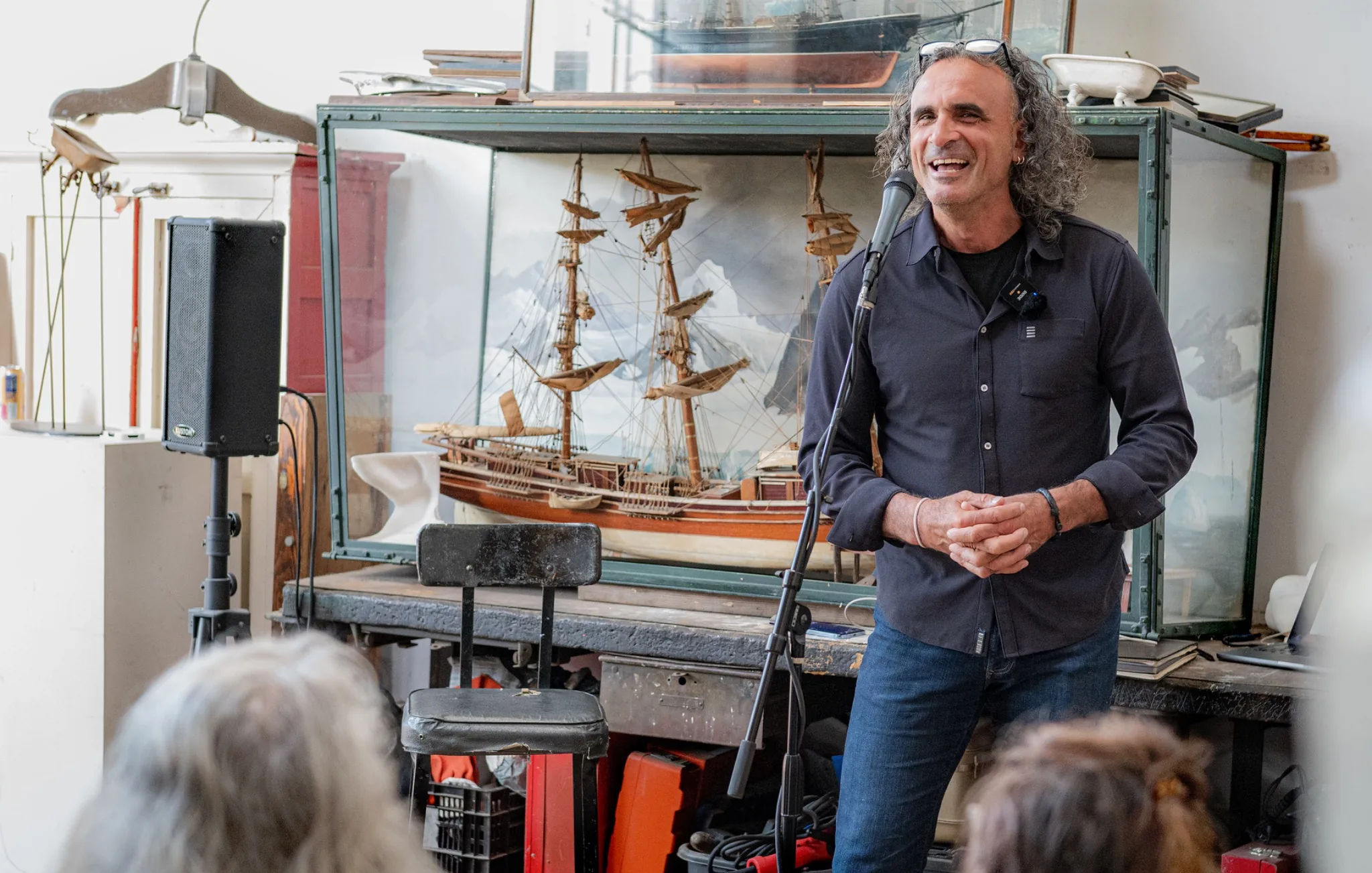
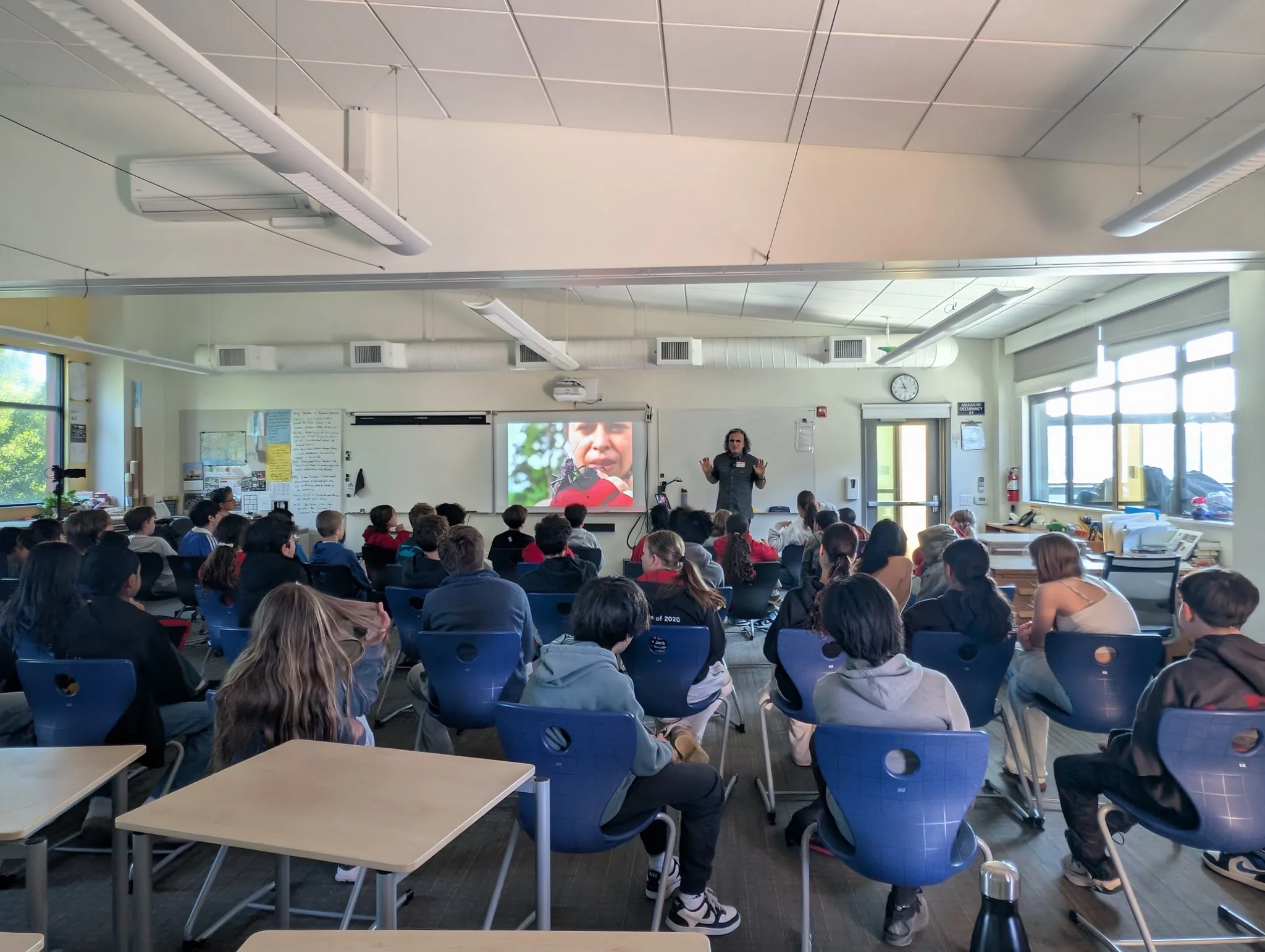
Questions are not the end of the session. They are part of the story.
Your turn
What do you see?
What do you wonder?
The Practice of Seeing begins with questions. If a photograph or story stays with you, share the question it leaves behind. Your question can become part of the ongoing conversation.
Share your question →Bring The Practice of Seeing to your community
Schools. Universities. Organizations.
Cultural institutions. Public spaces.
Tell me about your audience and the conversation you want to create. We can shape The Gaze from the Bicycle or Who is She? as a presentation or exhibition for your context.
Start a conversation →See more. Assume less. Stay curious. Look again.